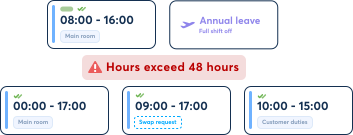

5 Rota Mistakes Managers Make (Without Realising)


FlowRota Team
Published: 14 March 2026
Most managers are making at least 3 of these.
Not because they’re careless — but because rota problems often build slowly, hide in day-to-day admin, and only show up when staff are stressed, costs rise, or shifts start going wrong.
Here are five of the most common rota mistakes managers make without realising — and why they matter more than they seem.
1. Not Tracking Rest Properly
One of the easiest mistakes to make is focusing on shift coverage without properly checking rest between shifts.
On the surface, a rota might look fine. But if someone closes late and opens early, or picks up an extra shift after a swap, rest periods can quickly become too tight.
This creates two problems:
- higher fatigue and more mistakes from staff
- greater compliance risk for the business
Rest issues are rarely dramatic. They’re usually small, repeated oversights — which is exactly why they’re so easy to miss.
2. Over-Relying on Memory
Many managers keep rota knowledge in their heads:
- who prefers weekends off
- who can do opens
- who already worked extra hours last week
- who said they might be unavailable next Thursday
That works — until it doesn’t.
Once teams grow, memory becomes unreliable. Important details get missed, fairness starts slipping, and rota decisions become inconsistent.
If your rota depends on one manager remembering everything, your process is more fragile than it looks.
3. Publishing Rotas at the Last Minute
Late rota publishing creates avoidable chaos.
Even if the shifts themselves are technically correct, staff are left with less time to plan childcare, travel, appointments, and the rest of their lives around work.
The result?
- more complaints and confusion
- more “I can’t do that shift” messages
- more admin after the rota is already live
Publishing late doesn’t save time. It usually creates more work afterwards.
4. Ignoring Availability
A rota is only as good as the information behind it.
If staff availability isn’t collected clearly — or isn’t kept up to date — managers end up building schedules on assumptions.
That leads to:
- avoidable conflicts
- more declined shifts
- more swap requests
- frustrated employees who feel ignored
Availability shouldn’t be a side note. It should be one of the foundations of the rota.
5. Allowing Uncontrolled Shift Swaps
Shift swaps can be useful — but only when they’re visible and controlled.
When swaps happen informally through messages or side conversations, managers lose sight of what the rota has actually become.
That can lead to:
- people working the wrong hours
- rest and hour-limit issues going unnoticed
- confusion over who is actually responsible for a shift
A swap should make the rota more flexible — not less reliable.
Why These Mistakes Cost More Than You Think
None of these mistakes look huge on their own.
But together, they create:
- more admin time
- more payroll mistakes
- more frustrated staff
- more last-minute disruption
- more compliance risk
In other words, they quietly make your rota harder to manage and more expensive to run.
How FlowRota Helps Managers Avoid These Mistakes
FlowRota is built to reduce the hidden friction around rota management.
- Track hours and rest more clearly
- Keep staff availability in one place
- Publish rotas faster and with less back-and-forth
- Manage swaps with visibility and control
- Reduce reliance on memory, spreadsheets, and guesswork
Because the best rota systems don’t just help managers create schedules — they help them avoid preventable mistakes.
Conclusion
Most rota problems don’t come from one big failure.
They come from small mistakes repeated every week.
If you can spot them early, you can save time, reduce stress, and build a much smoother operation for both managers and staff.
Avoid common rota mistakes
Build better rotas with less stress
FlowRota helps managers track availability, control swaps, reduce admin, and publish rotas with more confidence.
Try FlowRota — build smarter rotas