Brewery & Taproom Rota Planning: Polly's Brew Co.


James Butler

Published: 16th October 2025
Brewery rotas are rarely as simple as “who is working Monday to Friday?”. A modern brewery can have production shifts, packaging work, deliveries, events, taproom service, kitchen cover, cleaning, training and last-minute changes all happening in the same week. When those moving parts are managed through spreadsheets, screenshots and group chats, the rota can become harder to manage than the work itself.
Polly's Brew Co. is a modern brewery based in Mold, North Wales, with brewery operations and Polly's Social, its taproom and restaurant. Like many growing food, drink and hospitality businesses, the team needs scheduling that can keep production and customer-facing work organised without making staff feel out of the loop.
This article looks at the rota challenges a brewery and taproom team typically faces, why the problems are different from a simple office schedule, and how FlowRota helps bring shift planning, staff availability, leave and communication into one place.
Why brewery rotas get complicated quickly
A brewery rota has two pressures running at the same time. The first is production: brewing, cellaring, packaging, cleaning, quality checks and trade orders. The second is hospitality: front-of-house cover, bar service, kitchen shifts, events, bookings and weekend demand. These teams may overlap, but they do not always work to the same rhythm.
That matters because a rota that looks fine on paper can still fail in practice. A brewer may be needed early for production, a bar team member may only be available evenings, and a weekend event can create a sudden need for extra front-of-house cover. If that information is stored in different chats or tabs, the manager has to mentally piece the week together every time the rota changes.
Polly's own website shows the range of work involved, from its Mold brewery operation to Polly's Social, plus roles such as front-of-house/bar staff, brewers and chefs. That kind of mixed operation is exactly where a purpose-built rota system becomes more useful than a spreadsheet. Polly's recruitment page gives a good public snapshot of the different team types that need coordinating.
The problem with managing brewery shifts by spreadsheet
Spreadsheets work when the rota is small, stable and rarely changes. Breweries and taprooms are usually none of those things. A staff member swaps a bar shift, someone books annual leave, a production task runs long, a private event is added, or a sickness absence leaves the taproom short. The spreadsheet then becomes only one version of the truth.
The real rota often ends up scattered across WhatsApp messages, verbal agreements, old screenshots and handwritten notes. That creates practical problems:
- Managers have to check several places before they know who is actually working.
- Staff may rely on an old rota screenshot after a shift has already changed.
- Leave requests and availability notes can be missed when the manager is busy.
- Actual worked hours can drift away from scheduled hours, making payroll harder.
- Rest-period and working-time checks are easy to overlook when swaps are handled manually.
This is why rota software is not only about making the rota look neater. It is about reducing the number of hidden admin jobs that sit behind every shift change.
What FlowRota changes for a brewery or taproom
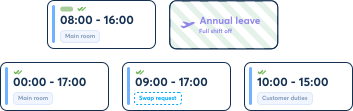
FlowRota gives managers one place to build, publish and update rotas, while giving staff one place to check what they are working. For a brewery or taproom, that means production, front-of-house, kitchen and event shifts can be managed in a clearer way without relying on staff to hunt through messages.
- Separate teams, one system: Group staff by brewery, taproom, kitchen, events, location or role, while keeping scheduling consistent.
- Live rota updates: Publish changes directly to staff so the latest rota is always the one they can see.
- Availability before scheduling: Staff availability can be considered before the rota is built, reducing avoidable clashes.
- Leave visibility: Managers can see approved holiday and absence before filling shifts.
- Shift swaps and requests: Staff can request changes without the rota turning into a group-chat negotiation.
- Time and attendance: Actual clocked hours can be compared with planned shifts, helping managers spot late starts, missed clock-outs and payroll differences.
A typical week: from brewing schedule to weekend service
A practical rota system has to work across the whole week, not just the quiet days. For a brewery and taproom, the pattern might look something like this:
- Monday: production and packaging shifts are planned around brewing priorities, with any approved leave already visible.
- Tuesday to Thursday: managers adjust cover around deliveries, trade orders, cleaning, prep and staff availability.
- Friday: taproom and kitchen cover increases, with staff notifications confirming any final changes.
- Saturday: extra front-of-house cover may be needed for bookings, events or busier service periods.
- After the weekend: worked hours can be reviewed for payroll, lateness, absence and future planning.
Without a rota app, every one of those stages can create a new admin trail. With FlowRota, the rota, leave, availability, swaps and clocked hours sit together, so managers can make decisions from the same set of information.
Why staff communication matters as much as scheduling
In hospitality, a rota is only useful if staff have actually seen it. A beautifully planned shift pattern still causes problems if employees are working from old information or if changes are buried in a busy chat. That is especially true for part-time workers, students, casual staff and team members who split their time between more than one role.
FlowRota helps by making the rota visible in the app and sending updates when shifts change. That gives staff a clearer picture of their week and gives managers fewer “am I working tonight?” messages to answer. It also supports the wider point covered in our guide to predictable rotas and morale : people usually work better when they can plan their lives around a schedule they trust.
Compliance visibility for shift-based teams
Breweries and taprooms often have early starts, late finishes, weekend work and occasional long days. That does not mean a business is doing anything wrong, but it does mean rota changes need visibility. Managers should be able to spot when a proposed shift pattern could create a rest issue, excessive hours or an avoidable fatigue risk.
UK working-time rules include limits and rest requirements such as the 48-hour weekly average, daily rest and weekly rest. The details can depend on the worker, the agreement in place and the type of work, but the practical lesson is simple: rota changes should be checked before they create a problem.
FlowRota supports managers by giving better visibility over scheduled hours and potential issues. For more detail, read our guides to UK working time rules and what counts as working time .
What a brewery should look for in rota software
A brewery or taproom does not need a bloated HR system just to publish next week's shifts. It needs a practical rota tool that fits the way shift teams actually work. Useful features include:
- team-based rotas for production, bar, kitchen and events;
- quick shift copying for repeated weekly patterns;
- staff availability and leave requests in the same place as the rota;
- instant notifications when shifts are changed;
- shift notes for handovers, setup tasks or event details;
- time tracking for actual worked hours;
- reports that help with payroll, absence and labour planning;
- simple pricing that still works for small teams.
That last point matters. Many hospitality teams avoid workforce software because they assume it will be expensive or overbuilt. FlowRota is designed to keep rota planning simple, with tools that are useful to real shift teams rather than buried inside a complicated enterprise system.
The takeaway for breweries, bars and taprooms
The main benefit of a rota app is not that it replaces a spreadsheet with a prettier screen. It creates one live version of the rota, connects it to staff availability and leave, gives employees clearer communication, and helps managers understand the effect of each change before the week falls apart.
For a brewery and taproom like Polly's Brew Co., that means the people making, serving and supporting the product can spend less time chasing rota updates and more time doing the work customers actually notice.
Note: This article is a practical scheduling guide based on public information about Polly's Brew Co. and FlowRota's rota management features. Any business-specific implementation should be reviewed against the organisation's own contracts, policies and working arrangements.
Built for busy shift teams
Bring brewery, bar and taproom rotas into one place
FlowRota helps managers publish rotas, track availability, approve leave, manage swaps and keep staff updated — without relying on spreadsheets, screenshots or scattered messages.
Try FlowRota — simplify your team rotas